
Burgundy for Corporate Groups: What the Standard Programme Misses
Updated: Apr 1
Burgundy is the most requested wine destination for incentive and corporate travel in Europe and, as a direct consequence, the most formulaic. The formula is consistent: a night or two at a wine hotel in Beaune, a tasting at a négociant with a name the participants recognise, lunch at a Michelin-starred restaurant with a Burgundy-heavy wine list, an afternoon at a domaine that receives corporate groups as a commercial activity, a private dinner in a cave. The formula works in the sense that it produces a pleasant two days and a correct set of experiences. What it does not produce is differentiation from every other corporate programme that has followed the same formula before it.
The Access That the Formula Does Not Reach
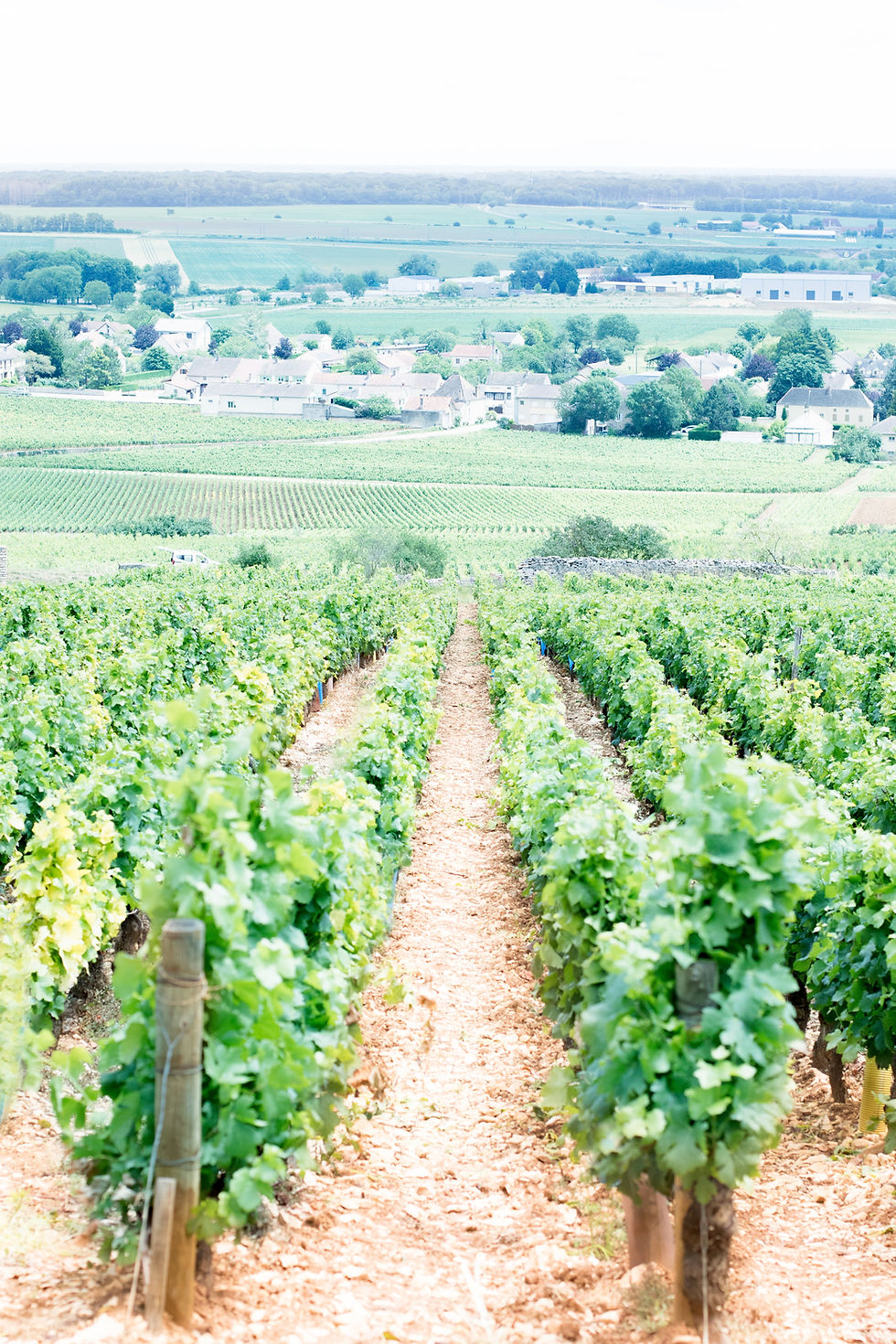
Burgundy's wine geography is built around the concept of the domaine — the family estate that may own parcels of Grand Cru and Premier Cru vineyards alongside village and regional appellations, and that produces wines under its own name from its own vineyards. The most significant domaines in Burgundy — the names that the participants in your programme read about before they arrive — do not receive corporate groups as a standard commercial activity. They receive them as a result of relationships. A visit to Domaine de la Romanée-Conti is not a visit that can be booked on a platform; it is a visit that can be arranged through a relationship that has been cultivated over time. The same applies, at varying levels of stringency, to Domaine Leroy, Armand Rousseau, Marquis d'Angerville, Comte de Vogüé, and the other domaines whose names carry real weight in the rooms where incentive travel decisions are made.
The practical difference is not merely prestige. A visit to a domaine at the level described above, with the winemaker or a family member rather than a hospitality team, produces a conversation about viticulture, about the specific character of the vintages, about the relationship between the parcel and the wine, that is substantively different from any tasting room experience. The participants — if they are the kind of people who are rewarded with Grand Cru Burgundy incentive travel — will remember it for years. A tasting room visit at a well-known négociant, they will not.
The Côte d'Or Beyond the Wine - Burgundy for Corporate Groups
The cultural assets of the Côte d'Or and its surrounding landscape are systematically underused in Burgundy MICE programming. The Hôtel-Dieu in Beaune — the fifteenth-century hospice built by Nicolas Rolin, Chancellor of Burgundy, with its polychrome tile roof and its extraordinary Rogier van der Weyden altarpiece (The Last Judgement, 1445) — is one of the most significant late medieval buildings in France and is accessible to private evening events. The Cistercian Abbey of Fontenay, a UNESCO site in the valley above Montbard, provides a private lunch or dinner context of complete austere beauty with no wine connotation at all — the correct balance for a programme that does not want to be perceived as only about drinking. The historic vineyards of Clos de Vougeot, with the Château du Clos de Vougeot at the centre, offer private evening events in a walled vineyard with an uninterrupted Grand Cru landscape at approximately the same cost as a good Paris restaurant dinner for the same group.


